With more than 60 presentations and recognition for neuroscience outreach and AI research, Georgia Tech demonstrated its growing impact at the 2025 Society for Neuroscience’s annual meeting.
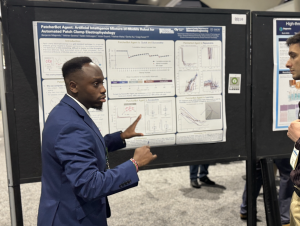
With more than 60 presentations and recognition for neuroscience outreach and AI research, Georgia Tech demonstrated its growing impact at the 2025 Society for Neuroscience’s annual meeting.
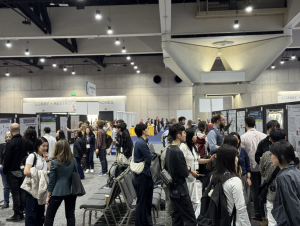
With more than 60 presentations and recognition for neuroscience outreach and AI research, Georgia Tech demonstrated its growing impact at the 2025 Society for Neuroscience’s annual meeting.
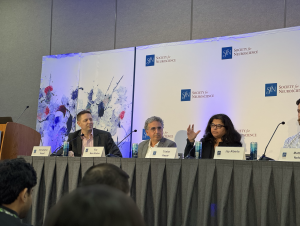
With more than 60 presentations and recognition for neuroscience outreach and AI research, Georgia Tech demonstrated its growing impact at the 2025 Society for Neuroscience’s annual meeting.
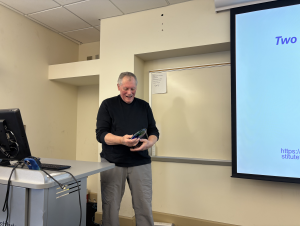
Across his career, Engle has combined transformative scholarship with deep commitment to students, junior colleagues, and the broader scientific community, exemplifying the highest standards of academic leadership and impact.

Across his career, Engle has combined transformative scholarship with deep commitment to students, junior colleagues, and the broader scientific community, exemplifying the highest standards of academic leadership and impact.
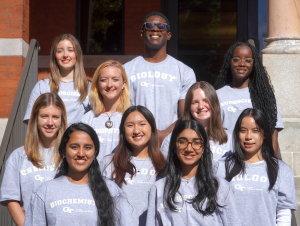
Congratulations to the inaugural class of College of Sciences undergraduate student ambassadors!
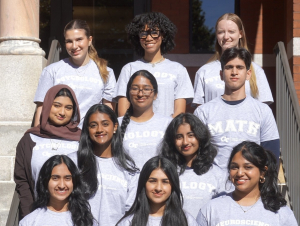
Congratulations to the inaugural class of College of Sciences undergraduate student ambassadors!
Professor Engle’s pioneering work has influenced a wide range of fields and contributed to modern theories of cognitive and emotional control.
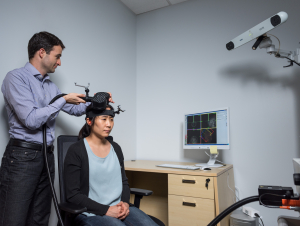
Faculty at Georgia Tech use their expertise in engineering, math, and computer science to apply common principles of these disciplines to neuroscience research.